(317) 272-4100

Request Appointment
Community Content
Menu
  • Home
  • Conditions Treated
    • Pain Management
      • Back Pain
      • Neck Pain
    • Peripheral Neuropathy
    • Fibromyalgia
    • Sciatica
    • Sports Injuries
    • Auto Accident Injuries
    • Whiplash
    • Personal Injuries
  • Services
    • Diagnostic Services
    • Spinal Decompression
    • Massage Therapy
    • Class IV Deep Tissue Laser Therapy
    • Chiropractic Care
      • Chiropractic FAQ
    • Physical Therapy
    • Rehabilitation Therapy
    • Cranial Therapeutic Correction
    • Orthopedic & Back Medical Equipment
    • Workplace Wellness
    • Thermostim
  • New Patients
    • Online Forms
      • Neuropathy Patients
      • New Patients
    • What to Expect
      • Your First Visit
      • Phase 1: Relief Care
      • Phase 2: Corrective Care
      • Phase 3: Wellness Care
    • Payment Options
    • Request An Appointment
  • About Us
    • Meet Our Doctor
    • Meet our Staff
    • Reviews
    • Success Stories
  • Contact
Round Spine Logo
  • Home >
  • Articles >
  • Common Conditions Treated >
  • Herniated Discs >
  • Slipped Disc

Slipped Disc

  • Created in Common Conditions Treated, Herniated Discs
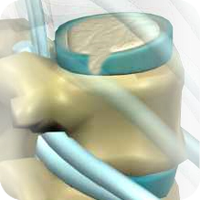
illustration of a disc
Discs do not actually "slip". Rather, they may herniate or bulge outward. A herniation is a displaced fragment of the center part of the disc.

You may have heard the term "slipped disc" used to describe a low back injury. Discs do not actually "slip." Rather, they may herniate or bulge out from between the bones. A herniation is a displaced fragment of the center part or nucleus of the disc that is pushed through a tear in the outer layer or annulus of the disc. Pain results when irritating substances are released from this tear and also if the fragment touches or compresses a nearby nerve. Disc herniation has some similarities to degenerative disc disease and discs that herniate are often in an early stage of degeneration. Herniated discs are common in the low back or lumbar spine.

What Causes Discs to Herniate?

Many factors decrease the strength and resiliency of the disc and increase the risk of disc herniation. Life style choices such as smoking, lack of regular exercise, and inadequate nutrition contribute to poor disc health. Poor posture, daily wear and tear, injury or trauma, and incorrect lifting or twisting further stress the disc. If the disc is already weakened, it may herniate with a single movement or strain such as coughing or bending to pick up a pencil.

How do I Know if I Have a Disc Herniation?

Herniated discs are most likely to affect people between the ages of 30 and 40. Disc herniations may be present without causing pain. The most common symptom will be pain in the area of the herniation that may radiate across the hips or into the buttocks. You may also experience numbness or pain radiating down your leg to the ankle or foot. If the herniation is large enough, you may notice weakness with extension of your big toe and you may be unable to walk on your toes or heels. In severe cases of lumbar disc herniation, you may experience changes in your bowel or bladder function and may have difficulty with sexual function.

How is a disc herniation treated?

Mild to moderate disc herniations can usually be treated conservatively with stretching, exercise therapy and chiropractic care. More advanced cases will often require some form of spinal decompression, such as traction or mechanical decompression, in conjunction with chiropractic care.

Occasionally, a herniation may be severe enough to warrant surgical intervention. These cases are usually reserved as a last resort when other forms of therapy have failed to relieve pain, or if there is significant compression of the spinal cord or nerves.

  • About Chiropractic Care
    • What is Chiropractic
    • How Does it Work
    • Who is Chiropractic For
    • Vertebral Subluxation
    • Wellness Resources
  • Common Conditions Treated
    • Auto Accident Injuries
    • Back and Shoulder Pain
    • Body Pain
    • Chronic Condition Relief
      • Conditions Affecting Women
      • Headaches
    • Herniated Discs
    • Improved Health
    • Pediatric Ailments
    • Repetitive Use Injuries
    • Respiratory Function
  • Health & Wellness
    • Healthy Thinking
      • Get Positive
      • Relaxation Techniques
    • Life in Motion
    • Wellness Lifestyle Tips
      • Treat Yourself Well
      • Treat Others Well
      • Eat Well
    • Wellness Essentials
      • At Home
      • At Work
      • Exercise
      • Nutrition
      • What You Wear
    • Wellness Perspectives
      • Mental
      • Spiritual
      • Social
      • Physical
  • Therapies & Techniques
    • Techniques
    • Therapies
  • Newsletter Library
    • Back, Body & Joint Pain
    • Healthy Tips
    • Exercise & Fitness
    • Injury Rehab & Prevention
    • Kid's Health
    • Illness Prevention
    • Chronic Conditions
    • Nutrition & Healthy Eating
    • Breaking Bad Habits
    • Senior Health
    • Weight Loss
    • Pregnancy & Parenting
    • Wellness
    • Mind-Body Connection
    • Stress & Anxiety
    • Life-Work Balance
    • Staying Young
    • Staying Motivated
  • Wellness4Kids

Location

Office Hours

Office Hours

Monday:

9:00 am-1:00 pm

2:00 pm-6:00 pm

Tuesday:

9:00 am-1:00 pm

2:00 pm-6:00 pm

Wednesday:

9:00 am-1:00 pm

2:00 pm-6:00 pm

Thursday:

9:00 am-1:00 pm

2:00 pm-6:00 pm

Friday:

9:00 am-1:00 pm

Saturday:

Closed

Sunday:

Closed

Exclusive Offer

Don't just live with or mask your pain! Get a second opinion today and be on the road to better health.
At SpinalCare Physical Medicine, we offer free consultations for a case analysis and MRI review.
Call or click the button below to request your free consultation and MRI review.

Request Your Free Consultation

Download a free eBook about Neuropathy or Back Pain and the treatment options available in our office.

Your Guide to Back Pain Relief | Neuropathy Relief: Enjoy Life Again - Without Drugs!

  • Copyright © 2026 MH Sub I, LLC dba iMatrix.
  • Admin Log In
  • Site Map