(317) 272-4100

Request Appointment
Community Content
Menu
  • Home
  • Conditions Treated
    • Pain Management
      • Back Pain
      • Neck Pain
    • Peripheral Neuropathy
    • Fibromyalgia
    • Sciatica
    • Sports Injuries
    • Auto Accident Injuries
    • Whiplash
    • Personal Injuries
  • Services
    • Diagnostic Services
    • Spinal Decompression
    • Massage Therapy
    • Class IV Deep Tissue Laser Therapy
    • Chiropractic Care
      • Chiropractic FAQ
    • Physical Therapy
    • Rehabilitation Therapy
    • Cranial Therapeutic Correction
    • Orthopedic & Back Medical Equipment
    • Workplace Wellness
    • Thermostim
  • New Patients
    • Online Forms
      • Neuropathy Patients
      • New Patients
    • What to Expect
      • Your First Visit
      • Phase 1: Relief Care
      • Phase 2: Corrective Care
      • Phase 3: Wellness Care
    • Payment Options
    • Request An Appointment
  • About Us
    • Meet Our Doctor
    • Meet our Staff
    • Reviews
    • Success Stories
  • Contact
Round Spine Logo
  • Home >
  • Articles >
  • Common Conditions Treated >
  • Improved Health >
  • Orthotics

Orthotics

  • Created in Common Conditions Treated, Improved Health
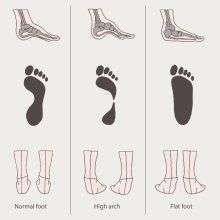
chart of a normal foot, a high arch foot, and a low arch foot

Whenever you run, walk or stand, your feet form the foundation of your body. Sometimes, though, the shape of your foot or an injury can affect the angle at which your foot strikes the ground. If severe enough, this can cause pain in the foot, as well as in the legs, low back and other areas of the body.

Because of the importance of the feet in our lives, stabilizing them is an important part of chiropractic care. If you have an imbalance in your feet, your chiropractor may suggest orthotics. These customized shoe inserts can reduce symptoms and improve your walking and running without the need for treatments like surgery.

How Orthotics Work

Orthotics change the angle at which the foot strikes the ground. They can also absorb some of the impact when you walk or run, improve your balance and shift pressure from sore parts of the foot.

One type of orthotics is used for people with soft tissue problems, such as diabetes. These shoe inserts can reduce the pressure on areas of the feet where ulcers (open sores) may occur. This may reduce the need for amputation.

The other type of orthotics is designed to improve how the foot strikes the ground. They basically work by bringing the ground up to the foot. These can also be used to treat conditions such as tendinitis and shin splints.

For example, people whose ankle rolls inward as they walk or run — pronation — may be given orthotics to keep their foot, ankle and leg in alignment. This can reduce pain in the feet, knees and hips. It may also reduce the wear and tear on the joints.

Fitting of Orthotics

Over-the-counter shoe inserts are available at pharmacies and sports or shoe stores. In many cases, these will work fine. For more serious foot conditions, a customized orthotic can work better. These are shaped specifically to fit your foot. They are also made of stronger materials and will last longer.

To fit your orthotics, your chiropractor will examine your feet and watch you walk. He or she will also ask you about symptoms that you might be having, such as pain in the foot or legs, and whether you have any health conditions such as diabetes.

If your chiropractor decides that orthotics are a good option for you, he or she will take a three-dimensional picture of your foot or use a mold to create a replica of your foot shape. These will be used to create an orthotic that is designed to improve your comfort and mobility.

If you are experiencing pain your feet or legs, ask your chiropractor whether orthotics might be a good fit for you.

  • About Chiropractic Care
    • What is Chiropractic
    • How Does it Work
    • Who is Chiropractic For
    • Vertebral Subluxation
    • Wellness Resources
  • Common Conditions Treated
    • Auto Accident Injuries
    • Back and Shoulder Pain
    • Body Pain
    • Chronic Condition Relief
      • Conditions Affecting Women
      • Headaches
    • Herniated Discs
    • Improved Health
    • Pediatric Ailments
    • Repetitive Use Injuries
    • Respiratory Function
  • Health & Wellness
    • Healthy Thinking
      • Get Positive
      • Relaxation Techniques
    • Life in Motion
    • Wellness Lifestyle Tips
      • Treat Yourself Well
      • Treat Others Well
      • Eat Well
    • Wellness Essentials
      • At Home
      • At Work
      • Exercise
      • Nutrition
      • What You Wear
    • Wellness Perspectives
      • Mental
      • Spiritual
      • Social
      • Physical
  • Therapies & Techniques
    • Techniques
    • Therapies
  • Newsletter Library
    • Back, Body & Joint Pain
    • Healthy Tips
    • Exercise & Fitness
    • Injury Rehab & Prevention
    • Kid's Health
    • Illness Prevention
    • Chronic Conditions
    • Nutrition & Healthy Eating
    • Breaking Bad Habits
    • Senior Health
    • Weight Loss
    • Pregnancy & Parenting
    • Wellness
    • Mind-Body Connection
    • Stress & Anxiety
    • Life-Work Balance
    • Staying Young
    • Staying Motivated
  • Wellness4Kids

Location

Office Hours

Office Hours

Monday:

9:00 am-1:00 pm

2:00 pm-6:00 pm

Tuesday:

9:00 am-1:00 pm

2:00 pm-6:00 pm

Wednesday:

9:00 am-1:00 pm

2:00 pm-6:00 pm

Thursday:

9:00 am-1:00 pm

2:00 pm-6:00 pm

Friday:

9:00 am-1:00 pm

Saturday:

Closed

Sunday:

Closed

Exclusive Offer

Don't just live with or mask your pain! Get a second opinion today and be on the road to better health.
At SpinalCare Physical Medicine, we offer free consultations for a case analysis and MRI review.
Call or click the button below to request your free consultation and MRI review.

Request Your Free Consultation

Download a free eBook about Neuropathy or Back Pain and the treatment options available in our office.

Your Guide to Back Pain Relief | Neuropathy Relief: Enjoy Life Again - Without Drugs!

  • Copyright © 2026 MH Sub I, LLC dba iMatrix.
  • Admin Log In
  • Site Map